
Noobeh hosts PDI Technologies, Sage 50, Sage 100 ERP, QuickBooks Enterprise Desktop, AccountEdge, Acctivate Inventory, MISys Manufacturing and more.
Purchasing hardware to support your accounting or ERP solution and SQL databases is costly—especially on top of software and service expenses. Keeping systems on premises can add up quickly when done properly. This is a well-recognized problem for convenience store operators, fuel retailers (all retailers, really), inventory-based businesses, small manufacturers or any business running their software and systems in-house.
Noobeh offers a better alternative to buying and maintaining your own server: a private virtual server hosted on Microsoft Azure. It is your server in your own Microsoft account, and it offers agility and performance capabilities not available with traditional server hardware.
Shared hosting providers and platforms introduce risk and loss of control. As your managed service provider, Noobeh gives you complete control and authority over your environment without sacrificing security or support. It’s like working with a hosting provider, but you own the infrastructure. Our focus isn’t on keeping a loaded shared platform operational. If something goes wrong with your system, our priority is getting you back up and running.
Your business gets a fully managed system with comprehensive service and support—without relying on unnamed hardware in a co-located server hosting facility. With Microsoft Azure, your systems run in Microsoft data centers on Microsoft-managed hardware, benefiting from the same security protections Microsoft uses for its own services.
Prevent Data Loss and Strengthen Business Continuity
Noobeh provides 24/7 monitoring and protection, with multiple redundancy, backup, and protection options to help keep your systems and data available.
Your business faces real risks, from cyberattacks to natural disasters. Noobeh helps reduce those risks by hosting your systems in a safer, more secure environment than most on-premises setups. Local and regional redundancy options give you failover flexibility, including the ability to place redundant systems across the country.
Because each Noobeh customer uses their own Microsoft account, every business can be confident that its domains, networks, and servers support only its operations. Our technical and support teams work diligently to provide the right system for each customer—keeping business running, users productive, and data secure and accessible.
Ready to protect your business, reduce IT complexity, and run with confidence?
Contact Noobeh today to discuss a managed Azure hosting solution built around your applications, your data, and your business goals.

 Make Sense?
 Make Sense?


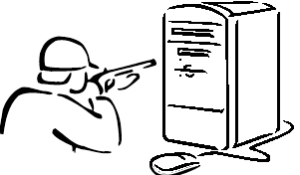 IT services are critical to the business, but the server doesn’t have to be under the front desk or in a back closet in order to function. There is simply too much evidence in the market for these business owners to ignore; shooting the server is now a viable option.
 Make Sense?
 In January of 2007, Network World published an article stating that “user satisfaction with software as a service (SaaS) is starting to slip, but customer interest in this method of outsourcing IT functions is continuing to grow“, and says that recent survey results clearly demonstrate SaaS being “a dominant force going forward”. That was 10 years ago, yet the same message is being played out today as managed services and hosting continues to grow in popularity. IT outsourcing makes sense for thousands of businesses, whether the software is part of the package or not. Today, outsourcing IT is almost an imperative if the business is to keep up a competitive pace.

